
Excerpted from a FOX News Story by Shaun Rabb
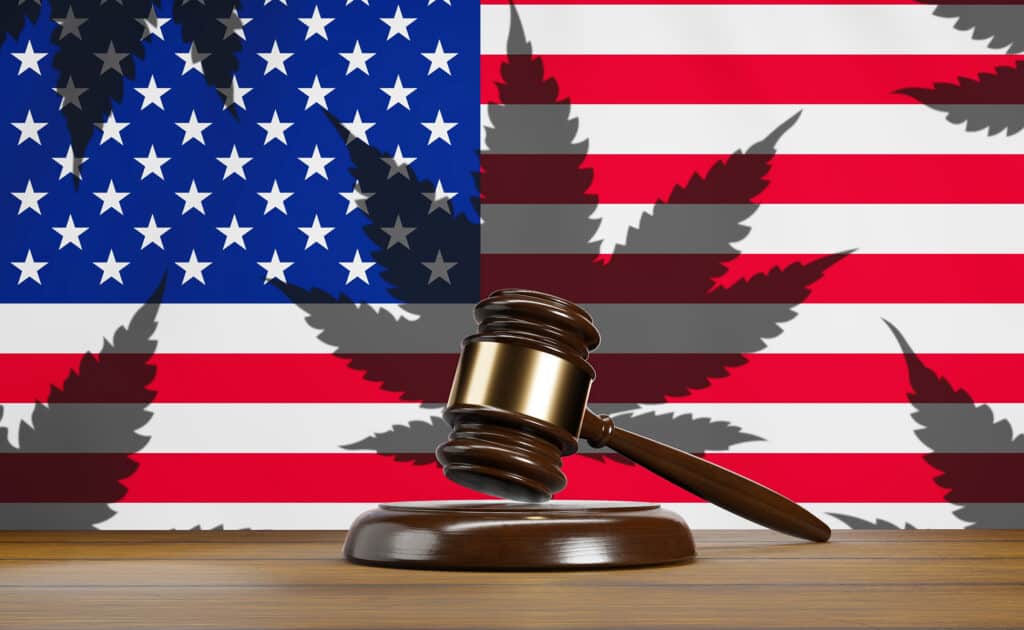
On Thursday, April 23, President Donald Trump signed an executive order to reclassify marijuana as a less dangerous drug.
It’s an effort to open new pathways for medical research and signals a significant shift in federal drug policy.
Marijuana Reclassified
The reclassification removes marijuana from the most dangerous classification of drugs, or Schedule I. Those are drugs with no medical use, like heroin and LSD.
It will now be considered a Schedule III drug, a grouping deemed less dangerous with some medical value, like Tylenol or codeine.
“The facts compel the federal government to recognize that marijuana can be legitimate in terms of medical applications when carefully administered,” Trump said.
The reclassification does not legalize marijuana nationwide, but it could change how the drug is regulated and reduce a hefty tax burden on the cannabis industry.
Texas perspective
In Texas, marijuana is still a Schedule I dangerous drug.
Given Texas Lt. Gov. Dan Patrick’s recent efforts to ban nearly all THC products in the state, that may not change any time soon.
Texas recently expanded its compassionate use program, but that only allows for very low-level THC use for specific medicinal purposes.
What they’re saying
People like Stephanie Fokas believe reclassification is needed in Texas, too. She is on the board for the Epilepsy Foundation of Texas because her child suffers from epilepsy.
“What happened today at the White House does not change the battle for access to CDB for like full spectrum hemp-based CBD. That fight still goes on,” she said.
She hopes the federal reclassification sends a signal to Texas lawmakers.
The Other Side
Jo McGuire, the executive director of the National Drug and Alcohol Screening Association, said her organization is not only worried about this type of change being made by an executive order but also about the impact across the workforce under federal guidelines, such as bus drivers, airline pilots, and truck drivers.
“Once we go to Schedule III, if we do not have a safety carve out in place that protects the testing program, employees could very possibly not be able to test for that substance under the federal testing program. In fact, the labs might not be able to even include that in the federal panel,” she said.
What’s next
There’s no timetable for when the reclassification will take place.
The president also said he would be asking Congress to reconsider its classification of hemp-derived CBD specifically for seniors.
GroupOne Background Screening Note: While this represents a significant shift in federal policy, it does not eliminate drug screening for marijuana, though it introduces new legal complexities for employers.