
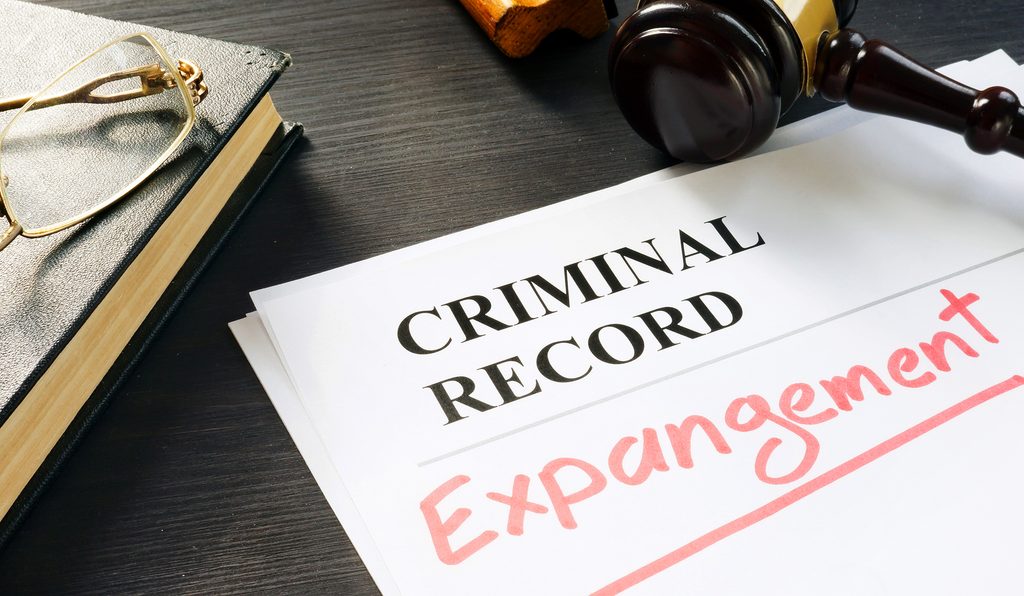
While sealed and expunged records won’t appear on most background checks, certain employers can still access them. At GroupOne Background Screening, we’re experts in compliance, and we’ve helped thousands of people navigate what employers can and can’t see on a background check.
Depending on the state, you may be able to hide eligible offenses from your criminal record through expungement or sealing. A few states have clean slate laws that automatically expunge certain records after a waiting period. Even after expungement or sealing, your conviction may still appear on background checks for certain jobs.
What are Expunged and Sealed Records?
Expungement and sealing are two different legal processes that prevent certain criminal records from appearing on employment background checks.
Expunged Records
Expungement can help clear your criminal record, but it’s not available in all states or for all convictions. Eligibility depends on where you were convicted and what offense you were charged with.
Most states with expungement laws include waiting periods before a conviction is eligible for expungement, and they also limit the types of offenses. In states with expungement laws, it is usually not available for:
- Violent crimes
- Sex crimes
- Domestic violence offenses
- Major traffic crimes (DUI, vehicular manslaughter)
- Drug trafficking
- Human trafficking.
Some examples of offenses that might be eligible for expungement include:
- Non-domestic violence misdemeanors
- Most misdemeanors and petty offenses
- Low-level, non-violent felonies.
Most states require you to petition the court for expungement, although a few have laws that provide for automatic expungement once a specific period passes.
Sealed Records
Some states allow record sealing. This is a process that hides your criminal record from public view rather than erasing it completely. Sealed records remain visible to law enforcement and courts if you’re arrested or charged with an offense.
Most private-sector employers will not see sealed records when they conduct background checks.
Similar to expungement laws, most state record-sealing laws set waiting periods. States with record-sealing laws typically restrict eligibility to certain offenses to include dangerous crimes against children, violent offenses, sex trafficking and sex offenses requiring registration.
Sealing your record allows you to state that you haven’t been convicted of anything when you’re applying for most private-sector jobs.
Background Checks
Expunged or sealed records won’t be reported on your background check when applying for most private-sector jobs. The Fair Credit Reporting Act (FCRA) doesn’t restrict the reporting of conviction records or include provisions that specifically address sealed or expunged records.
It should be noted, courts have found that background check companies should avoid reporting sealed or expunged records under the FCRA. Most state expungement or record-sealing laws specifically prohibit background check companies from reporting sealed or expunged records unless an exception applies.
When They Show Up
Many states limit expungement or record-sealing. This means that if your employer performs an employment background check, the expunged record won’t be reported. However, law enforcement agencies, prosecutors and the following types of employers can see expunged records:
- Licensed professions (attorney, doctor, nurse, etc.)
- Banks and credit unions
- Insurance companies
- Positions that prevent hiring individuals with convictions under other state or federal laws, such as jobs for those working with vulnerable adults or children.
Most states require certain records to be reported when applying for jobs working with vulnerable populations, such as children or medical patients. If you’re applying for a job requiring such security clearances, your expunged or sealed records will be reported.